
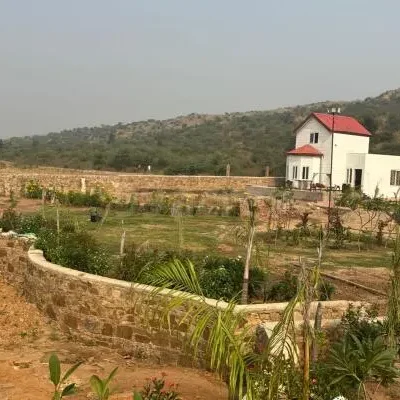
Kushal Elysian farms Alwar provides a perfect example of how premium farmhouse developments can offer a harmonious escape from urban life, provided you approach the investment with legal precision. Purchasing farmhouse land is a significant financial commitment that often involves navigating complex land-use regulations and ownership records. On the website of Naugaon, we understand that many eager buyers fall into avoidable traps simply because they rush through the necessary due diligence. In this blog, you will learn about the seven most common legal mistakes that investors make, how these errors can jeopardize your ownership, and the steps you must take to ensure your weekend retreat remains a secure asset for years to come.
The Peril of Assuming Title Clarity Without Verification
One of the most frequent mistakes is the blind assumption that a property is “clear” simply because a seller has offered it or a broker has described it as such. In rural areas, land records can be fragmented, handwritten, or outdated, leading to scenarios where a seller might not actually have the legal authority to transfer the title. It is imperative to trace the ownership history – often referred to as the “mother deed” – back at least 30 years to ensure there are no gaps or conflicting claims. Without this deep historical search, you risk purchasing land from an unauthorized heir or a party involved in a long-standing family dispute, which could drag your investment into years of litigation.
Ignoring Local Zoning and Land Use Restrictions
Another critical error is failing to confirm whether the land is legally designated for residential or farmhouse use. Many buyers are enticed by the scenic appeal of a property, only to discover later that it is classified as agricultural land, a forest buffer zone, or part of a green belt where construction is strictly prohibited. If you attempt to build a farmhouse on such land without formal conversion – a process known as Change of Land Use (CLU) – you may be subject to heavy fines, demolition orders, or the permanent loss of your development rights. Always verify the status of the plot at the local Tehsildar or Town Planning office before finalizing any agreement.
Neglecting Physical Boundary Surveys and Encroachments
It is easy to get caught up in the digital or brochure-based presentation of a property, such as the Kushal Elysian farms location, while ignoring the importance of a physical site inspection. A common legal nightmare arises when the physical boundaries of the plot do not match the measurements recorded in the revenue maps. Without a professional land survey, you may inadvertently buy a plot that encroaches on public land, a neighbor’s property, or a government right-of-way. Investing in a licensed surveyor to cross-check the site coordinates with official village maps is a small, proactive step that can save you from complex and expensive boundary disputes in the future.
Common Legal Pitfalls in Land Transactions
Understanding the specific legal risks can help you avoid costly mistakes during your search for farmhouse land. The following issues are among the most frequent hurdles that first-time buyers encounter.
- Failing to obtain a recent Encumbrance Certificate (EC), which reveals any hidden mortgages, court orders, or liens against the property.
- Purchasing land based on a Power of Attorney (PoA) rather than a registered Sale Deed, which is a legally weaker document that does not confer absolute ownership.
- Ignoring the need to check for pending government acquisition notices, which can render your land unusable if the government decides to widen roads or build infrastructure through it.
- Relying on verbal promises regarding infrastructure, such as road access or water supply, without having these guarantees clearly documented in the final agreement.
- Overlooking the payment of necessary stamp duty and registration fees, which are essential to make the transaction legally recognized by the state.
Essential Steps to Secure Your Farmhouse Investment
To protect your interests, follow this systematic approach to verification before committing your funds to any farmhouse project on the website of Naugaon.
- Engage a specialized real estate lawyer to conduct a comprehensive title search and prepare a formal Title Search Report.
- Request the original documents, including the sale deed, mutation record, and tax receipts, and verify their authenticity at the local Sub-Registrar’s office.
- Check the online state land record portals to ensure that the ownership details and survey numbers match the physical documents provided by the seller.
- Confirm that the property has all necessary No Objection Certificates (NOCs) from departments responsible for electricity, water, and environmental compliance.
- Ensure that the final Sale Agreement clearly outlines the plot dimensions, possession handover dates, and specific legal remedies in case of any future disputes.
Conclusion
Purchasing farmhouse land is a dream for many, but it is a complex legal journey that rewards those who prioritize due diligence. By avoiding the common pitfalls of title neglect, zoning oversight, and reliance on verbal assurances, you can ensure your investment remains a source of pride and relaxation. We invite you to explore thoughtfully planned projects like Kushal Elysian farms Alwar, where transparency and legal compliance are at the forefront of the development. As you look for your perfect getaway, remember that the security of your title is the most important feature your property can have. Rely on professional guidance from the team at Naugaon to make an informed, secure investment in your future.
Frequently Asked Questions
1. Is a Power of Attorney sufficient to buy farmhouse land?
No, a Power of Attorney is not a title deed. It does not transfer absolute ownership of the land. Always insist on a registered Sale Deed to ensure your legal claim is secure.
2. What should I check in the Encumbrance Certificate?
The Encumbrance Certificate details any financial liabilities, such as mortgages, loans, or pending court cases, against the property. A clean EC ensures the land is free from any hidden legal or financial encumbrances.
3. Why is a land survey necessary before buying?
Land records can be inaccurate. A survey confirms the physical boundaries of the plot, preventing future disputes with neighbors or the government regarding encroachments or unauthorized use of land.
4. Can I build on agricultural land without permission?
No. Using agricultural land for residential purposes without formal Change of Land Use (CLU) approval is illegal. It can lead to heavy fines, demolition orders, and legal action from local authorities.
5. How do I verify if a developer is reliable?
Check their past project delivery, reputation in the market, and whether they provide transparent access to all legal documents. Verified developers readily share ownership chains and government approvals with prospective buyers.
6. What is the importance of the mutation record?
Mutation updates the government’s revenue records to reflect the current owner. Even with a sale deed, failure to mutate the land in your name can lead to complications with taxes and future sales.
7. Should I worry about pending government acquisition?
Yes. Always check if the land is part of any upcoming government infrastructure plan, like road widening or industrial corridors. Unchecked acquisition notices can lead to your land being taken over for public use.
8. Can I buy land in another state as a non-farmer?
Regulations vary by state. In some states, buying agricultural land is restricted to farmers or residents. Always consult with a local legal expert to understand the specific rules applicable to your chosen region.
9. Why should I use a lawyer for a farmhouse purchase?
Real estate laws are complex. A lawyer will conduct a title search, check for litigation, and ensure your Sale Agreement protects your interests, significantly reducing the risk of fraud or future disputes.
10. Where can I check land records online?
Most Indian states have dedicated land record portals (such as Bhulekh) where you can verify ownership details, survey numbers, and land classification by district, tehsil, and village information.