
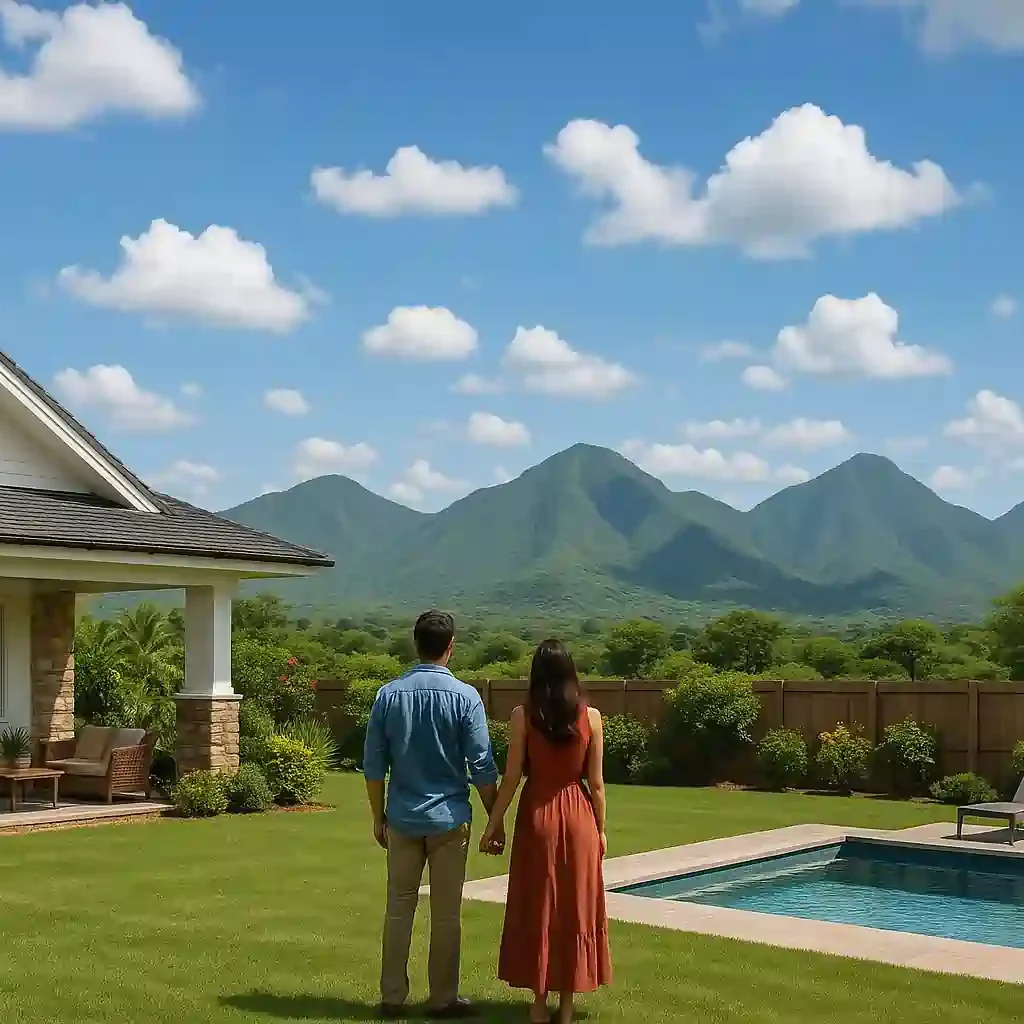
In a world dominated by concrete jungles, traffic congestion, and the non-stop hum of city life, the dream of owning a piece of nature has never been more appealing. This is where the concept of a “farmhouse” steps in. It is no longer just a house on a farm; it has evolved into a symbol of wellness, a strategic investment, and a private sanctuary for families.
But what exactly is a farmhouse, and why are so many people shifting their focus toward this type of real estate? If you are curious about the farmhouse lifestyle or looking to make a smart investment, this guide covers everything you need to know.
What Is a Farmhouse?
At its core, a farmhouse is a residential structure located on a piece of land that is often larger than the average city plot. Traditionally, these were utilitarian homes for farmers who lived on the land they cultivated. However, the modern definition has transformed significantly.
Today, a farmhouse represents a lifestyle choice—a weekend getaway or a second home that blends the comforts of a luxury villa with the serenity of rural landscapes. It offers space for organic farming, gardening, private swimming pools, and, most importantly, clean, fresh air. When you invest in a well-planned farmhouse, you are not just buying bricks and mortar; you are purchasing a healthier, stress-free lifestyle.
Types of Farmhouses: Which One Suits You?
Farmhouses come in various styles, each catering to different needs and aesthetic preferences. Depending on your goals, you can choose from the following:
1. The Modern Luxury Farmhouse
These are high-end properties designed with contemporary architecture, large glass windows, and premium amenities like modular kitchens, high-speed internet, and home theaters. They are designed for those who want to work from home amidst nature without compromising on modern comforts.
2. The Rustic/Traditional Farmhouse
These designs focus on an authentic, countryside feel. They often utilize materials like stone, wood, and brick. These farmhouses are perfect for those who want to disconnect from technology and reconnect with a slower, simpler pace of life.
3. The Eco-Friendly/Sustainable Farmhouse
Sustainability is a growing trend. These farmhouses are built using eco-friendly techniques, including solar panels, rainwater harvesting, and organic farming setups. Developers like those behind Naugaon projects often emphasize these sustainable features, ensuring that the development works in harmony with the local ecosystem rather than against it.
4. The Weekend/Leisure Farmhouse
These are typically located within a short driving distance from a major city. Their primary purpose is to serve as a recreational retreat for holidays and family gatherings, featuring amenities like gazebos, cricket pitches, or swimming pools.
The Investment Guide: Why Buy a Farmhouse?
Investing in real estate is a timeless strategy, but farmhouse plots offer unique advantages that apartments or city homes do not.
1. Land Appreciation
Land is a finite resource. While the value of a flat in a city can fluctuate based on building age, the value of land (especially in developing peripheral areas) historically tends to appreciate consistently. A farmhouse gives you ownership of both the structure and the underlying land, making it a powerful asset.
2. Passive Income Potential
If you aren’t using your farmhouse every day, it doesn’t have to sit empty. The “staycation” culture is booming. You can rent out your farmhouse on platforms like Airbnb, or manage it as a retreat center, creating a steady stream of passive income.
3. Hedging Against Inflation
Hard assets like farmland and farmhouses are considered excellent hedges against inflation. As the cost of living and construction materials rises, the market value of your property typically rises in tandem.
4. The Wellness “ROI”
The Return on Investment (ROI) of a farmhouse isn’t just financial. Having a place to retreat to on weekends drastically reduces stress and improves mental health. For families with children, it provides a safe, open environment to learn about nature, gardening, and sustainability.
Factors to Consider Before Investing
Buying a farmhouse is a significant commitment. Before you sign any documents, ensure you evaluate the following:
- Connectivity and Location: A farmhouse should be peaceful, but it shouldn’t be isolated to the point of being inaccessible. Check for road connectivity and proximity to the city. Projects like Naugaon projects are often strategically located to ensure you are close enough to the city for convenience, but far enough to enjoy the silence.
- Legal Documentation: This is the most critical step. Ensure the land has a clear title, is free from litigation, and is zoned correctly for residential farmhouse use. Always consult a legal professional before finalizing a deal.
- Infrastructure: Does the land have dedicated access to electricity and, more importantly, water? A farmhouse without a reliable water source is difficult to maintain. Check for borewell permissions and existing municipal connections.
- Maintenance: Who will look after your property when you are not there? Look for gated farmhouse communities that offer professional maintenance services—such as security, landscaping, and housekeeping—as this saves you the headache of managing the property yourself.
Why Quality Matters
The rise of farmhouse living has seen many developers jumping into the market. However, not all land is created equal. When researching, look for developers who prioritize infrastructure. A visionary developer doesn’t just sell you a plot; they sell you a community.
When you look at established players like Naugaon projects, you will notice a focus on planned development—clear demarcation of plots, well-laid access roads, and provisions for long-term landscaping. These are the markers of a reliable investment. A well-planned project ensures that your investment grows in value over the years because the community remains well-kept and desirable.
The Verdict
Owning a farmhouse is about more than just wealth; it is about reclaiming your time and health. Whether you view it as a long-term real estate investment or a legacy for your family, the farmhouse lifestyle offers a level of freedom that city life simply cannot match.
If you are ready to explore this path, start by identifying your purpose: are you looking for a rental income, a weekend escape, or a future retirement home? Once you have your purpose, research the area, verify the legalities, and look for developers who value sustainability and infrastructure.
The concrete jungle will always be there, but the opportunity to own your own piece of green paradise is limited. Take the step, plan your investment, and prepare to trade the noise of the city for the serenity of your own farmhouse.