
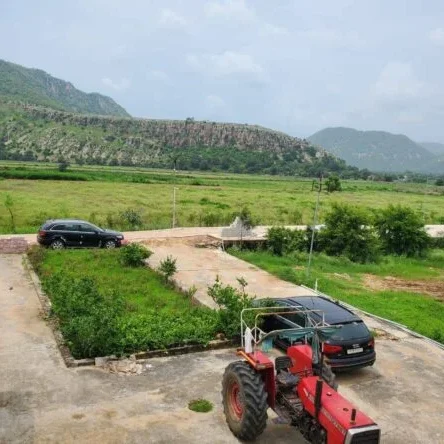
Ananda farm investments and similar ventures near the Delhi NCR region have become increasingly popular, but navigating the legal landscape requires extreme caution to protect your hard-earned capital. Whether you are eyeing a luxury property like an Ananda farm house or any other developing farmhouse project, the process of verification is your most important shield against fraud. On the website of Naugaon, we emphasize that owning a piece of the countryside is a rewarding dream, provided the foundation of your investment is legally sound. By understanding the common pitfalls, such as forged documents and unauthorized land-use conversions, you can move forward with confidence and secure an asset that truly appreciates in value over time.
Decoding Land Titles and Ownership History
The first and most critical step in your due diligence journey is verifying the authenticity of the land title. Scammers often target out-of-state buyers by presenting forged sale deeds or outdated revenue records that do not reflect the current status of the land. When you are considering a property, you must demand the original sale deed, mutation records, and a continuous chain of ownership documents covering at least the last 30 years. It is essential to ensure that the person selling the land is the legal owner as recorded in the government’s official registers. Reliance on photocopies or verbal assurances is the quickest path to financial loss; always cross-reference these documents directly with the local Sub-Registrar’s office to confirm their legitimacy.
Understanding Land Use, Zoning, and Approvals
A common trap in farmhouse investments is purchasing agricultural land that has not been formally converted for farmhouse or residential use. Even if the brochure for a project looks professional, the land itself may be restricted under local laws, making it impossible to legally build or register a home. You must check the official zoning maps at the local Tehsildar or Town Planning office to confirm that the plot is permitted for the intended use. Furthermore, verify that the project has obtained all necessary No Objection Certificates (NOCs) from relevant departments, such as those governing water, electricity, and environmental compliance. Ignoring these regulatory checks can leave you with land that is legally unusable, effectively nullifying your investment potential.
Managing the Financial and Contractual Safeguards
The agreement to sell is the legal contract that governs your entire transaction, and it must be drafted with absolute precision. Many buyers make the mistake of signing vague agreements that fail to specify essential details like the exact plot dimensions, possession timelines, and clear penalty clauses for defaults. Your agreement should be thoroughly vetted by a professional lawyer who specializes in local land laws, ensuring every promise made by the developer is documented in writing. Additionally, never make large payments in cash; utilize secure banking channels like cheques or direct wire transfers, and maintain a rigorous paper trail for every transaction. Taking these precautions ensures that your rights are protected even if the project faces delays or unforeseen complications.
Red Flags to Watch for When Buying Farmhouse Land
Investors often lose money because they prioritize low prices and emotional marketing over rigorous legal inspection. Being aware of these specific warning signs can help you identify a potential scam before you commit any funds.
- Extremely low prices that appear significantly below the prevailing market rates in the region.
- Sellers who insist on immediate, high-value booking amounts without providing a clear, registered agreement.
- Projects that claim to be “pre-launch” or “approved” but cannot produce official government sanction letters or RERA registration numbers.
- Properties that lack a clear, motorable access road or have disputed boundaries that are not clearly marked on survey maps.
- Developers who avoid direct meetings or provide inconsistent information regarding land ownership and approvals.
Steps for Verifying Your Farmhouse Plot
To ensure your investment is legitimate and secure, follow this systematic verification process before finalizing your deal on the website of Naugaon.
- Hire a qualified local lawyer to conduct a comprehensive title search at the relevant Sub-Registrar’s office.
- Obtain an Encumbrance Certificate (EC) to confirm the land is free from any existing mortgages, court attachments, or legal liens.
- Visit the plot personally and cross-check the land boundaries against official village revenue maps or survey reports.
- Verify the land’s current zoning status to confirm it is approved for farmhouse construction or residential development.
- Request a tax clearance certificate from the seller to ensure no unpaid land revenue or development charges are attached to the property.
Conclusion
Securing a farmhouse plot is a lifestyle upgrade that offers both serenity and significant long-term growth, but it must be approached as a serious legal transaction. By performing thorough due diligence – verifying titles, checking zoning approvals, and insisting on transparent, documented agreements – you can avoid the common scams that plague the real estate market. The team at Naugaon is committed to helping you make informed decisions, ensuring your journey toward owning a farmhouse remains peaceful and profitable. We encourage you to prioritize your legal protection today so you can enjoy your rural retreat with complete peace of mind for years to come.
Frequently Asked Questions
1. What is an Encumbrance Certificate and why do I need it?
An Encumbrance Certificate is an official document from the Sub-Registrar’s office. It proves that the property is free from any legal or monetary disputes, mortgages, or liens, ensuring you have clear ownership.
2. Why is “zoning” critical when buying a farmhouse plot?
Zoning confirms if land is legally designated for residential or farmhouse use. Building on agricultural land without proper conversion (Change of Land Use) is illegal and can lead to the demolition of your property.
3. What is the role of a Patwari in verifying land records?
A Patwari is a government official who maintains village land records. Consulting them helps you verify the current owner’s name, land size, and whether the plot has any ongoing disputes or pending litigation.
4. Can I build a home on any piece of agricultural land?
No, you cannot. Each state has specific regulations. You must ensure the land has received formal government approval for non-agricultural or farmhouse construction before you begin any building activity on the plot.
5. Why should I avoid paying in cash for land deals?
Paying in cash makes it impossible to track your investment or claim it in the event of a dispute. Always use bank transfers or cheques to create an undeniable record of your financial contribution.
6. What are the risks of buying a plot in a “pre-launch” project?
Pre-launch projects often lack all necessary government approvals. If the developer fails to secure these permits later, the project may be stalled indefinitely, causing you to lose your invested booking amount.
7. Is a Power of Attorney (PoA) enough to buy a farmhouse plot?
No. A Power of Attorney is not a title deed. Relying solely on a PoA is risky; you should always demand a registered Sale Deed to ensure you are the legal, undisputed owner of the land.
8. How can I confirm the identity of the seller?
You can verify the seller’s identity by cross-checking their government-issued ID (like an Aadhaar or PAN card) against the records in the Sale Deed and by meeting them in person for the transaction.
9. What should I include in the Agreement to Sell?
Your agreement must clearly state the total price, payment schedule, exact plot location, size, expected possession date, and clear penalties for the developer if they fail to deliver on their promises or deadlines.
10. Should I hire a lawyer even if the developer has a good reputation?
Yes. Real estate laws are complex and vary by state. A lawyer will review documents you might overlook, ensuring the developer’s claims about the land’s legal status are accurate and fully verified.